

Feeling Overwhelmed or Anxious?
Why Changing Our Relationship with Stress Can Change Everything

According to the American Medical Association, 75% of doctor visits are related to stress. Conditions like diabetes, depression, cardiovascular disease, and even cancer have roots in chronic stress. Over the years, my studies have highlighted the undeniable connection between mind and body, especially when it comes to stress and disease.
In this article, we’ll explore stress—both the good and the bad—how chronic stress impacts our physical and mental health, and what we can do right now to feel better and protect our long-term well-being. We’ll discuss the power of our overactive minds, emotional reactivity, and scientifically-backed strategies from Mindfulness and Positive Psychology that can reduce stress, ease anxiety, and even prevent recurring depression.
Feeling the Pressure: Real Stress vs. Mind-Created Stress
There’s no denying that the world today is full of real stressors: conflicts, wars, climate change, chronic illness, discrimination, and more. My goal is not to downplay the gravity of these challenges. Rather, I want to shed light on how many of us have turned our everyday lives into a constant cycle of stress.
At this point, you might think, “You don’t know what it’s like!” And perhaps that’s true, but it’s undeniable that many of us feel pressure and overwhelm from common, everyday occurrences—like meeting a work deadline, reading a terse email from your boss, or worrying about whether you’re doing enough for your children or grandchildren to help them grow into good humans.
In addition, social media often adds to the pressure. Whether it’s scrolling through a friend’s vacation photos or reading opinions from people who think they know best, we’re often left feeling inadequate or judged.
Consider these common scenarios:
You see a friend post pictures from a gathering you weren’t invited to, and your mind spirals: “They didn’t want me there. Maybe I’m not fun to be around. Have they replaced me?” Meanwhile, the reality may be that it was a spontaneous event, and they assumed you were busy.
Or: you send a message to a colleague, and when they don’t respond immediately, you think: “They’re upset with me. Did I say something wrong? Maybe I’m not doing a good job, and they just don’t want to tell me.” When, in truth, they’re just as swamped with work as you are.
These examples show how easily an overactive mind can jump to conclusions and create unnecessary stress.
Breaking the Cycle of Comparison, Judgment, and Fear
Our society conditions us to compare ourselves to others, to judge, and to seek approval from everyone but ourselves. Add in the relentless voice of the inner critic—the one that speaks to us more harshly than we’d ever allow anyone else to—and it’s easy to see how stress builds.
Let’s not forget the endless to-do lists. Have you ever noticed what happens when you finally get to the end of your list? That voice in your head immediately starts adding more tasks! It’s like a never-ending mental game of what’s next, keeping us in a perpetual state of doing.
We get so caught up in doing that we forget simply to be.
I once joked to a board member that “winning the lottery would solve everything” during a time when I felt I couldn’t take any more stress. This was before I learned that changing the way I think changes the way I feel – that it changes everything.
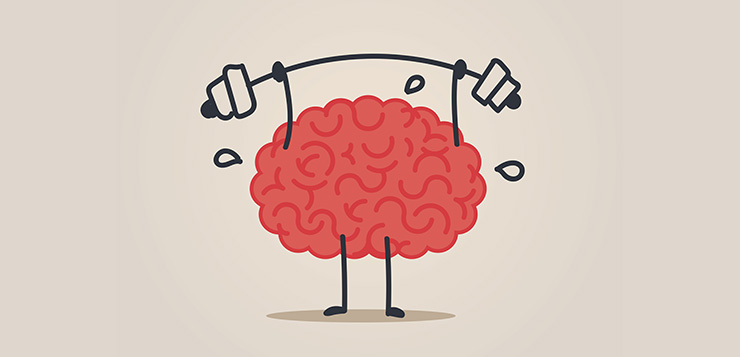
Changing Your Mind, Training Your Brain – it’s like training muscles
Thoughts are real, but they’re not always facts. On average, we have about 70,000 thoughts each day, and 95% of those thoughts are repeats from the day before. It’s important to remember: you are not your thoughts. Don’t believe every thought you have! And you are not stuck with the thoughts you have. You can change your mind!
Most of us let our minds run unchecked, and that’s where the trouble starts. The mind, designed to protect us from threats, tends to overthink and create problems where none exist. With no saber-toothed tigers around, the mind turns to imagined dangers, trying to “think” its way out of situations it’s conjured up.
“The world as we have created it is a process of our thinking. It cannot be changed without changing our thinking.” -Albert Einstein
The good news? Just as you can train your body, you can also train your mind. With attention and practice, you can change your mental habits, reduce stress, and build resilience.
How the Mind Affects the Brain
In the previous section, we explored how an overactive mind can contribute to chronic stress, which disrupts the balance of our nervous system. Now, let’s dive deeper into the neuroscience behind this connection. When the mind is caught in cycles of worry and overthinking, it continuously sends stress signals to the brain, keeping the sympathetic nervous system in a heightened state of activation. This ongoing stimulation triggers the release of stress hormones like cortisol and adrenaline, flooding both the brain and body, and creating a state of constant tension.
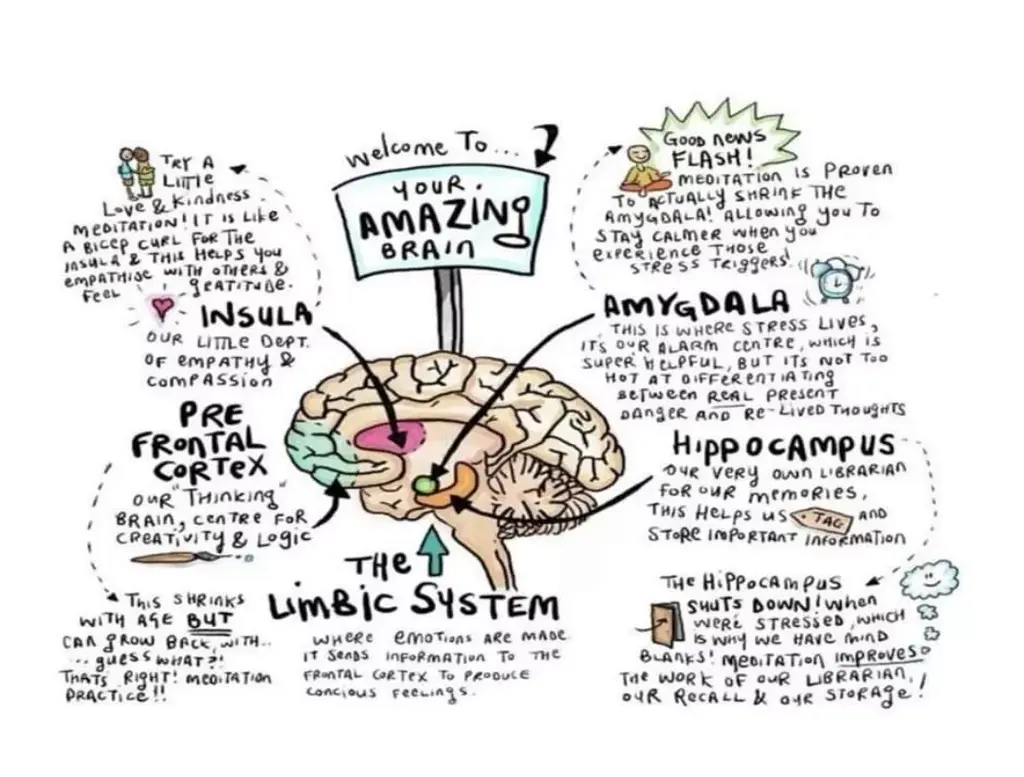
The problem lies not with stress itself but with how our brain processes it. Our brain’s survival mechanism, primarily centered in the amygdala, takes control during stressful situations, whether real or imagined. The prefrontal cortex—the rational, problem-solving part of the brain—gets sidelined, meaning our higher-order thinking is impaired. We are stuck in a reactive state, where emotions like fear and anxiety take the driver’s seat.
This response, which was vital for our ancestors when they faced life-threatening dangers, becomes maladaptive in modern life. A looming deadline or a difficult conversation with a coworker is not a saber-toothed tiger, but the brain doesn’t know that. As a result, we experience unnecessary stress responses over minor, non-life-threatening situations. Over time, this chronic stress impacts brain structures, shrinking the hippocampus (responsible for memory) and weakening the prefrontal cortex, while amplifying the activity in the amygdala. In short, we become more prone to stress, anxiety, and negative thinking.
Our Phenomenal Stress System: The Mind-Body Unity
Exploring the mind-body unity holistically, let’s consider the human stress system. To understand our stress response, it helps to zoom out for a minute and get a picture of where the stress system is in the significant number of body systems we have – it’s in the nervous system.
Our nervous system includes two parts: the central nervous system which is the brain and spinal cord, and the peripheral nervous system which has two subdivisions – the somatic nervous system: this system enables us to move and control muscles throughout the body, and it communicates information from four of our senses – smell, sound, taste, and touch – to the brain. If you were wondering about our seeing sense – our retina and optic nerve connect to the brain directly.
The other subdivision of our peripheral nervous system is the autonomic nervous system.
It’s important to understand how stress impacts the body on a physiological level. Stress is an incredible survival mechanism when properly balanced. Our autonomic nervous system (ANS), composed of the sympathetic and parasympathetic branches, handles stress and recovery.
However, when the sympathetic nervous system is constantly on high alert, our bodies never get the chance to recover fully. This state of “always-on” leads to what’s known as allostatic load—the wear and tear on the body due to chronic stress. This has significant health implications, affecting everything from digestion and immunity to mental health and energy levels.
The Chronic Stress Cascade: What Excess Stress Does to Us
Imagine trying to drive a car with your foot constantly on the accelerator. Eventually, the engine will wear down, and the car will malfunction, or you likely will crash. The same happens in our bodies. Chronic stress leads to ever-climbing patterns of stress hormones like cortisol and adrenaline, which disrupts many vital functions.
For example, prolonged stress can:
- Impair digestion by diverting energy away from the digestive tract, leading to bloating, constipation, or nutrient malabsorption.
- Disrupt sleep by keeping the brain in an aroused state, preventing restful, deep sleep, which further depletes energy reserves.
- Weaken the immune system, making you more susceptible to infections and diseases.
- Imbalance sex hormones, leading to issues with libido and fertility.
- Fuel inflammation, the underlying cause of many chronic illnesses, such as heart disease, diabetes, and autoimmune disorders.
When the body is constantly in survival mode, healing and restoration take a back seat. Chronic inflammation, a byproduct of prolonged stress, becomes a breeding ground for diseases—physical and mental alike.
Restoring Balance: Tapping into the Parasympathetic Nervous System
Our parasympathetic nervous system (PSNS) is the antidote to stress, initiating the “rest and digest” response. While we can’t (and don’t want to) eliminate stress entirely from our lives, we can learn to activate the PSNS, helping our bodies restore balance, repair themselves, and build resilience.
Simple steps to shift from sympathetic dominance to parasympathetic activation include:
Breathing Techniques: Practices like 4-7-8 breathing or the Komuso Shift (a wearable tool for controlled exhalation) can activate the PSNS, signaling to your body that it’s safe to relax. When you head to komusodesign.com/awakenwellness, use discount code AWAKENWELLNESS for 15% off your order.
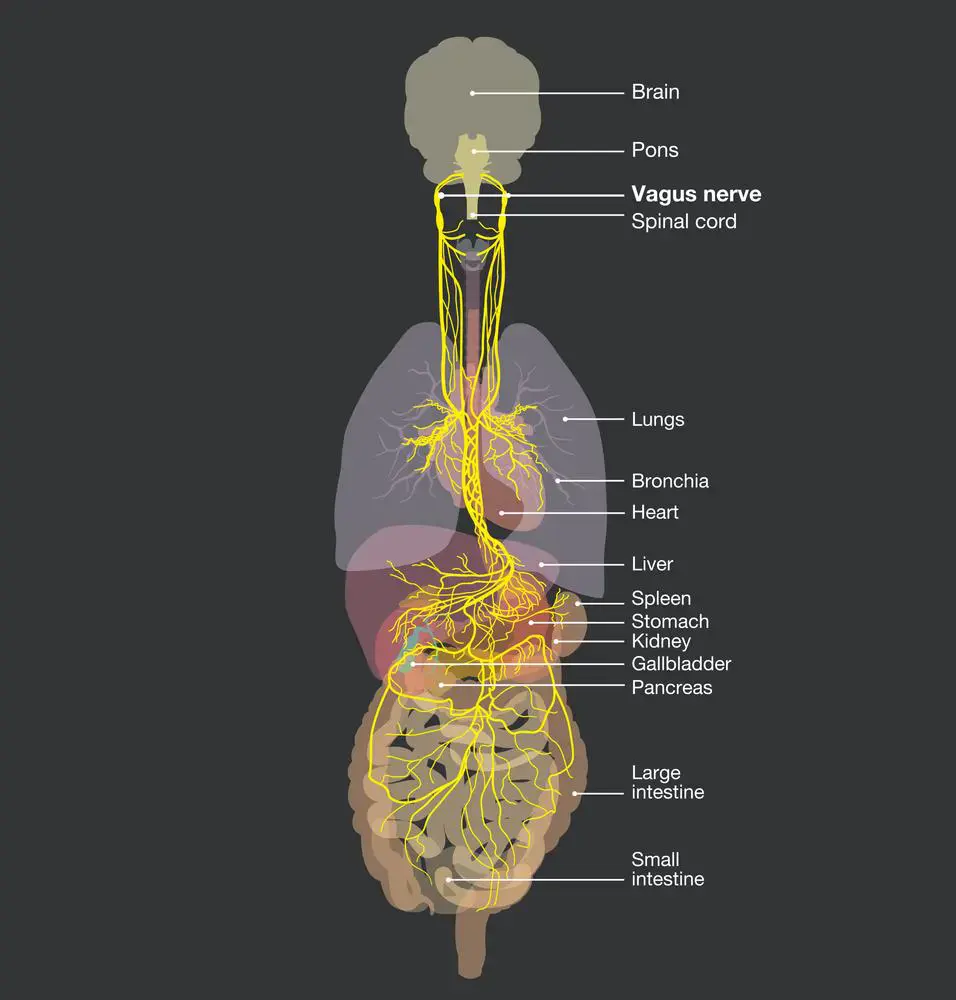
Vagus Nerve Stimulation: The vagus nerve, which plays a key role in the parasympathetic response, can be stimulated through humming, singing, laughing or even activities like gargling. You can also practice specific yoga techniques like Bhramari pranayama (Bee Breath) to engage the vagus nerve and reduce stress. Follow the links in this section to my article about the brilliant vagus nerve.
Movement: Gentle, rhythmic activities like walking, swimming, yoga, or dancing can help soothe the nervous system and promote parasympathetic activation, which supports relaxation and healing. As you move, stay mindful of your surroundings, savoring the sensory experience—what you see, hear, feel, smell, and even taste. This mindful awareness enhances the benefits of movement. It’s also worth mentioning the power of laughter—deep belly laughs are truly some of the best medicine! Laughter not only lifts our spirits but also fosters connection, as it’s something we often share with others. Together, movement and laughter create a harmonious way to nurture both body and mind.
Mindful Breaks: Throughout your day, take intentional pauses to ground yourself. Mindfulness practices—whether it’s focusing on your breath, stretching, looking up into the sky, meditating, savoring a cup of tea, chatting with a friend, or simply being fully aware of your surroundings—help reset the nervous system and prevent stress from accumulating. Breaking out of routine also pulls you out of “auto-pilot” mode, allowing you to connect with the present moment consciously. For example, try brushing your teeth with your non-dominant hand and notice how it naturally forces your mind to focus on the here and now. These small shifts cultivate awareness and bring you back into balance.
Self-Compassion: Self-compassion is a pathway to making things easier for us when life feels tough because it allows us to shift from self-criticism to self-support. By practicing self-compassion, we create space for understanding and patience with ourselves, rather than judgment. How can we be more self-compassionate? Start by being present and aware of your thoughts and feelings without trying to push them away or judge them. Recognize that you are not alone in your struggles and imperfections—everyone faces challenges. Treat yourself with kindness, care, and understanding, much like you would comfort a dear friend. A simple practice to deepen self-compassion is placing your hands on your chest to connect and comfort your heart. Notice your thoughts and feelings with curiosity, not criticism, and remind yourself that everyone experiences difficulties. In this mindful moment, ask yourself: What do I need to feel safe and supported right now? By offering yourself this tender care, you can build resilience and navigate tough times with greater ease and self-acceptance.
Gratitude Journaling: A daily practice of noting three things you’re grateful for can shift your mind’s focus from stress and negativity to appreciation, compassion, and joy, encouraging the production of “feel-good” hormones like serotonin and oxytocin. Think you don’t have time to journal? Try The 6-Minute Diary, three minutes in the morning and 3 minutes before bed – it’s worth your time, it works!!
Acupuncture: A powerful technique rooted in traditional Chinese medicine that helps to balance the body’s energy flow and promote relaxation. By stimulating specific points on the body, acupuncture can effectively shift the nervous system to parasympathetic activation, reducing stress, calming the mind, and supporting overall well-being. From personal experience, I highly recommend Susan Engle, MSAOM, LAc, at Laughing Buddha Acupuncture in Eagle for those in the Vail Valley, and Ronel Corbin, Chinese Medicine Physician, LAc, at Healing Elephant Acupuncture & Wellness Clinic in Miami Shores for those in the Miami area.
Massage: Massage therapy is a highly effective way to support nervous system regulation by encouraging relaxation and activating the parasympathetic nervous system. It helps reduce muscle tension, lowers cortisol levels, and boosts the production of feel-good hormones like serotonin and dopamine. For those in the Vail Valley, I highly recommend Kristi Ryan at Evolve Spa in Eagle.
Building a Resilient Mindset
Building resilience isn’t about avoiding stress – it’s about transforming how we respond to it. In the AWAKEN WELLNESS Resilient Minds Course, participants learn evidence-based practices from Mindfulness and Positive Psychology that train your mind to handle stress in healthier ways. By leveraging neuroplasticity—our brain’s remarkable ability to rewire itself—you can replace negative, stress-inducing patterns with more adaptive, skillful responses.
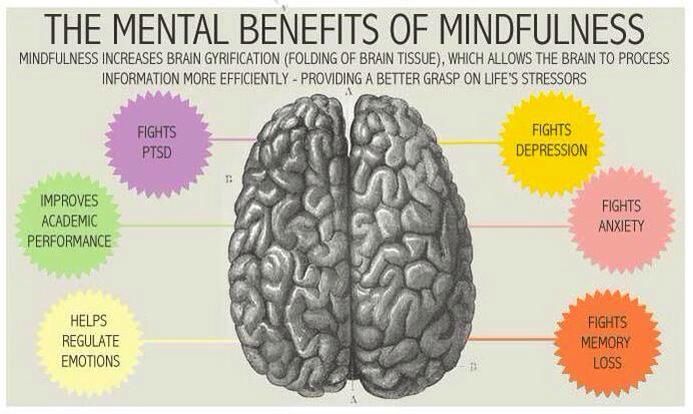
Positive Psychology reveals that we can cultivate new neural pathways that enhance resilience and foster positive emotions. Regular mindfulness practice helps reduce the brain’s natural negativity bias, boosting our capacity to bounce back from adversity.
Join the next Resilient Minds Course at AWAKEN WELLNESS starting May 14th. This 6-week small group class via Zoom will guide you in calming anxiety and embracing stress with balance, just in time for summer. Visit this link to learn more and sign up.
If you are unsure what to expect or if this course is for you, book a complimentary discovery call with me here, to explore whether this course aligns with your needs and to answer any questions you may have.
Changing Your Relationship with Stress
Stress is not the enemy—it’s our relationship with stress that matters. When we understand that stress, in moderation, can be a powerful motivator for growth and adaptation, we shift our perspective. The key is learning how to regulate it, using tools and techniques to bring balance to our nervous system and mind.
It’s not about getting rid of stress but rather learning to dance with it. The mind, when properly trained, can learn to let go of unnecessary stress and reactivity. It can learn to trust the body’s wisdom and allow the parasympathetic system to do its job.
So, the next time you feel overwhelmed, find your breath, notice your thoughts with self-compassion and without judgment, and remember—you have the power to shift from stress to balance. By doing so, you protect your mind, body, and spirit, fostering a life filled with resilience, joy, and well-being. This inner shift not only benefits you but also strengthens your relationships with others. When you cultivate balance and self-awareness, you can show up with more presence, patience, and empathy, deepening your connections and creating more harmonious, supportive relationships. Taking care of yourself helps you be more available for those around you, enhancing both your well-being and your ability to nurture meaningful bonds.
