

The Vagus Nerve: Your Body’s Secret Pathway to Calm and Resilience
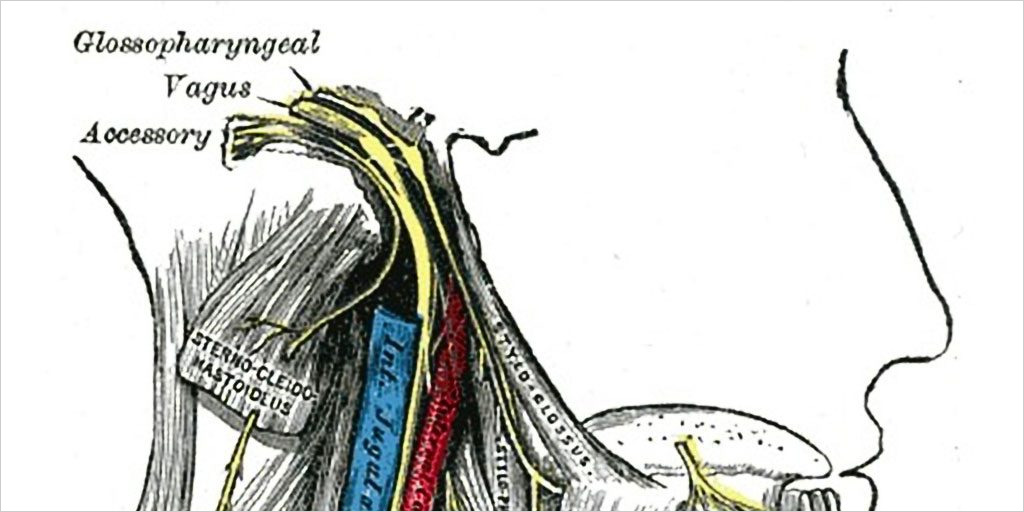
The vagus nerve is one of the most important components of our nervous system, yet it often flies under the radar in conversations about stress and well-being. It’s the longest cranial nerve in the body, running from the brainstem all the way down into the abdomen, connecting multiple vital organs, including the heart, lungs, and digestive tract. Its name, “vagus,” comes from the Latin word for “wandering,” which makes sense considering the extensive path it takes through the body.
Functionally, the vagus nerve is a key player in the parasympathetic nervous system (PSNS), often called the “rest and digest” system. This branch of the autonomic nervous system is responsible for promoting calmness, relaxation, and recovery. In contrast to the sympathetic nervous system, which activates the body’s fight-or-flight response during stress, the vagus nerve helps the body return to a state of balance and ease after the threat or stressor has passed.
What Does the Vagus Nerve Do?
The vagus nerve is incredibly versatile, as it influences many essential functions in the body:
- Heart Rate: It plays a role in lowering your heart rate, helping you feel calm and grounded.
- Breathing: It regulates your breathing, allowing you to take slower, deeper breaths, which can instantly bring about a feeling of relaxation.
- Digestion: The vagus nerve helps control the muscles of the digestive system, ensuring that food moves through the digestive tract efficiently and that nutrient absorption is optimized.
- Inflammation: It has an anti-inflammatory effect, helping to regulate the body’s immune response and reduce chronic inflammation, which is linked to a variety of health issues such as heart disease, diabetes, and autoimmune conditions.
- Mood and Emotions: The vagus nerve is also connected to your emotional well-being. By signaling the release of neurotransmitters like serotonin and dopamine, it can help regulate mood and enhance feelings of joy and calmness.
One of the most fascinating aspects of the vagus nerve is its involvement in what is known as the gut-brain axis. It acts as a two-way communication highway between the brain and the gut, making it a major player in the connection between physical sensations and emotional states. This explains why we get “gut feelings” or why anxiety can sometimes manifest as nausea or digestive issues. The gut, often referred to as our “second brain”, is home to millions of neurons that interact with the vagus nerve to influence how we feel both physically and mentally.

The Role of the Vagus Nerve in Stress Recovery
When you’re in a stressful situation, your sympathetic nervous system goes into overdrive, preparing you to either fight, flee, or freeze. This is useful in short-term, life-threatening situations, but modern stressors, like work deadlines or relationship conflicts, don’t require such drastic physiological responses. This is where the vagus nerve comes in. Once the immediate threat has passed, it helps switch the body back into rest-and-recovery mode, promoting relaxation and returning bodily functions to their normal state.
Activating the vagus nerve engages the relaxation response, lowering heart rate and blood pressure, improving digestion, and releasing tension throughout the body. In doing so, it helps regulate stress, reduces anxiety, and promotes emotional well-being.
Ways to Stimulate the Vagus Nerve
Stimulating the vagus nerve is one of the most effective ways to tap into the body’s natural relaxation response and shift from a state of stress to a state of calm. Here are some techniques to activate it:
- Deep Breathing: Slow, deep breathing, particularly from the diaphragm (or belly breathing), stimulates the vagus nerve. Techniques like the 4-7-8 breathing method or the Komuso Shift (a wearable tool for controlled exhalation) are especially effective.
- Humming, Chanting, or Singing: Since the vagus nerve is connected to the vocal cords, producing sound through humming or chanting can stimulate it. Activities like singing or chanting in practices such as yoga have been shown to increase vagal tone, promoting relaxation.
- Gargling: An unexpected but simple way to stimulate the vagus nerve is by gargling with water. This activates the muscles at the back of the throat, where the vagus nerve is located.
- Cold Exposure: Exposing your face or neck to cold water, such as with a splash of cold water or a cold compress, can activate the vagus nerve and encourage a shift into a relaxed state.
- Meditation and Mindfulness: Mindfulness practices, particularly those focusing on breath awareness and body relaxation, can increase vagal tone over time, helping to regulate stress and enhance emotional resilience.
- Vagus Nerve Massage: Gently massaging the neck, where the vagus nerve runs, can help stimulate it. Certain acupressure points also align with the nerve’s pathway.
- Exercise and Movement: Light to moderate exercise, such as walking, yoga, or swimming, can enhance vagal tone. It’s important to engage in activities that are enjoyable and relaxing to avoid triggering further stress.
- Social Connection and Laughter: Social engagement and positive connections with others are natural ways to stimulate the vagus nerve. Laughter, in particular, activates the nerve, which is why it’s often said that laughter is the best medicine.

Why Is Vagal Tone Important?
“Vagal tone” refers to the activity of the vagus nerve, and higher vagal tone is associated with greater resilience to stress, better emotional regulation, and improved physical health. People with higher vagal tone tend to recover more quickly from stressful situations and are less prone to anxiety, depression, and inflammation-related health issues. Conversely, lower vagal tone has been linked to chronic stress, mood disorders, and even cardiovascular problems.
By regularly engaging in practices that stimulate the vagus nerve, you can increase your vagal tone, essentially strengthening your ability to handle stress, recover quickly, and maintain a balanced, healthy mind and body.
In short, the vagus nerve is a powerful ally in your quest for better stress management and overall wellness. By understanding its function and learning how to stimulate it, you can cultivate a state of calm, resilience, and better health in both body and mind.
