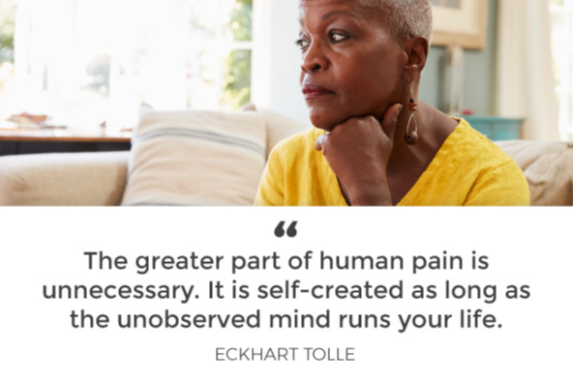
A Natural Approach to Anxiety and Mental Wellbeing in a Digital World
May is Mental Health Awareness Month—a time to step back, tune in, and reflect on how we’re really doing beneath the surface. In today’s fast-paced, always-on world, many people silently wonder:
“Is it normal to feel this anxious, overwhelmed, or disconnected?” The short answer is yes.
And more importantly, there are practical, natural, and powerful ways to support your wellbeing—mentally, emotionally, and physically.
Understanding Anxiety: A Natural Signal
Anxiety is not the enemy. It’s your nervous system’s way of saying:
“Something needs attention.”
Mild or occasional anxiety can be useful—it sharpens focus and protects us from danger. But when anxiety becomes chronic, it affects everything: sleep, digestion, focus, relationships, even self-worth.
Common Root Causes of Anxiety:
- Chronic stress or unresolved trauma
- Hormonal changes (especially in midlife)
- Nutritional deficiencies
- Thyroid dysfunction or gut-brain imbalance
- Overuse of caffeine, alcohol, or digital media
Symptoms Can Be Subtle or Loud:
- Racing thoughts, restlessness, irritability
- Fatigue, muscle tension, digestive issues
- Trouble sleeping or concentrating
- Feeling on edge or out of control
Our modern culture often teaches us to suppress these signs or power through them. But these symptoms are like warning lights on the dashboard—they’re alerting us that something deeper needs our care and attention.

Natural Ways to Support Your Mental Health
Healing doesn’t always require drastic changes—it often starts with small, consistent shifts in how you nourish and care for yourself.
Nourish Your Body, Soothe Your Mind
What you eat can either fuel anxiety or help calm it.
- Eat to balance blood sugar: Favor whole foods, fiber-rich vegetables, clean proteins, and healthy fats.
- Avoid extremes: Skipping meals or eating too much sugar can destabilize mood and energy.
- Limit stimulants like caffeine and sugar, which overstimulate your nervous system.
- Reduce alcohol: It may feel calming in the moment, but it can intensify anxiety later, disrupt sleep, and deplete nutrients.
Support with Supplements (as needed)
Supplements can offer additional support, especially during times of high stress. Always consult with a qualified health practitioner before beginning new supplements.
- Magnesium (especially glycinate or threonate): Calms the nervous system and supports better sleep.
- Adaptogens (like ashwagandha or rhodiola): Help your body adapt to stress and restore hormonal balance.
- B-complex vitamins: Crucial for energy production and brain function.
- Lavender oil (oral or aromatherapy): Backed by research for reducing anxiety and supporting sleep.
- Omega-3 fatty acids: Reduce inflammation and support brain health.

Move Your Body, Change Your State
Movement is medicine. It not only strengthens the body but shifts the way we think and feel. Just 20–30 minutes a day of walking, yoga, or dancing can:
- Reduce cortisol (the stress hormone)
- Improve sleep and digestion
- Boost serotonin and endorphins (natural mood-lifters)
- Increase emotional resilience
You don’t have to do high-intensity workouts. Gentle, enjoyable movement matters just as much—sometimes more. Try dancing to your favorite song, stretching after waking up, or taking a quiet walk in nature.

Mental Health in the Digital Age: Is Your Brain Overstimulated?
We live in an age of overthinking, over-scrolling, and constant alerts. This digital overstimulation wears down your capacity for focus, calm, and emotional resilience. Research shows that too much screen time—especially social media—can:
- Disrupt sleep cycles
- Create comparison-based stress
- Hijack your brain’s reward system
- Decrease attention span
Reclaim Mental Clarity:
- Take screen-free pauses during your day—especially in the morning and evening.
- Turn off non-essential notifications to reduce digital noise.
- Use blue-light filters and wind down screen time an hour before bed.
- Create rituals of real-world connection: journaling, reading, or tea with a loved one.
Your nervous system craves rhythms. Establishing screen boundaries can reset your sense of time, focus, and inner calm.
Five Often-Overlooked Keys to Mental Wellbeing
As we round out Mental Health Awareness Month, here are five gentle but powerful reminders from our Mindful Nourish community:

1. It Takes a Village
Mental health isn’t a solo project. We all need connection. Whether it’s a therapist, a coach, a friend, or a group, you deserve support.
Asking for help is a strength, not a weakness. Isolation fuels anxiety. Community calms it. When we share our experiences, we feel less alone—and more empowered to make changes.
2. Losing Fear
Fear of judgment, failure, or “not being enough” can quietly drive anxiety. Healing often begins with acknowledging these fears, questioning them, and letting them go one layer at a time.
What would change if you no longer feared being imperfect?
You’re not broken. You’re human.
You can reframe fear as a messenger—something that reveals where you need gentleness, not punishment.


3. The Power of Laughter
Laughter literally changes your brain chemistry. It boosts dopamine, lowers stress hormones, and creates connection.
- Watch a funny show or comedy special
- Call a friend who makes you laugh
- Share silly stories or memes
- Allow yourself to be goofy
Laughter resets your nervous system. It’s a full-body release and reminder: joy is still here.
4. Movement for Your Mental Health
Your body was made to move. And when you move with intention—walking, stretching, dancing, lifting—you unlock emotional resilience.
Movement isn’t just about fitness. It’s about embodiment:
- Feeling grounded in your body
- Releasing pent-up energy or emotion
- Building confidence and strength
Movement grounds your body and quiets your mind. Even a few minutes a day makes a difference.

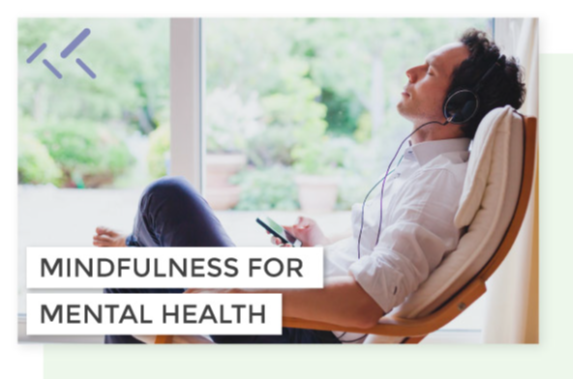
5. Mindfulness Isn’t Optional—It’s Foundational
Mindfulness isn’t about being calm all the time. It’s about being aware. When you notice your thoughts, patterns, and triggers with kindness, you give yourself the power to choose a different response.
Mindfulness brings you into the present—where your power lives.
Try this simple practice:
Pause. Breathe. Ask: What do I need right now?
Even a 3-minute breathing space each day can begin to change your relationship with stress.
Supporting Loved Ones with Anxiety
You don’t need to have all the answers to help someone who’s struggling. Sometimes, the best gift is your calm presence.

Helpful Approaches:
- Say: “You’re not alone. I’m here.”
- Encourage slow, deep breaths
- Avoid: “Just relax” or “Don’t worry”—these can feel dismissive
- Offer comfort and grounding (e.g., a cozy space, a warm drink, quiet companionship)
The more regulated you are, the more you help regulate others. Be a steady, compassionate presence.
Helping Kids Understand Mental Health

Our children are growing up in an anxious world. Start the conversation early and often. Mental health isn’t a “grown-up topic”—it’s a life skill.
Try Saying:
- “Just like your body can get tired or sick, your mind can too.”
- “It’s okay to ask for help—it’s brave.”
Model self-care, talk about emotions openly, and make mindfulness or quiet time part of your family rhythm.
Teach self-regulation through:
- Breathing together
- Playing and creating
- Spending time in nature
- Limiting screen use
Children mirror the emotional tone of their environment. Prioritize calm, and they’ll learn to access it too.

Self-Esteem Grows in Small, Daily Acts
Whether you’re a teen, in midlife, or navigating a transition, self-esteem isn’t something you “get”—it’s something you build.
Every time you keep a promise to yourself or treat yourself with compassion, you reinforce your self-worth.

Try:
- Completing one small task to restore a sense of control
- Doing something creative or helpful
- Setting up a cozy, calm space just for you
- Practicing gratitude—even one thing a day can rewire your brain toward hope
Progress, not perfection, is the path to confidence.
You Are Not Alone—and You Don’t Have to Do This Alone
Mental health challenges are real—but so is your ability to heal and grow. At Awaken Wellness, I support people just like you in reconnecting with your calm, clarity, and confidence—naturally.
Healing is not linear. But it is possible. And it begins with one step, one breath, one choice.
Ready for gentle, lasting change?
Let’s talk. Whether you’re dealing with anxiety, burnout, hormonal shifts, or simply feeling stuck—you’re not alone.
Schedule your free Discovery Session today and take the first step toward thriving.